Skip to content
Take action

Help us build a predator-free sanctuary.

Every trap counts. Whether you have a small backyard or want to volunteer on our public reserve lines, there is a critical role for you to play in protecting Bobs Cove.

Volunteer walking through the landscape carrying practical field gear.
Why Bobs Cove matters

Why this place is worth defending, trap by trap.

A vital biodiversity hotspot

Bobs Cove isn't just a scenic backdrop; it is a critical habitat for native birds, lizards, moths and invertebrates. The beech forest clad slopes offer refuge to species that are highly vulnerable to introduced predators.

By establishing a robust trapping network here, we aren't just saving individual animals—we are restoring the entire ecosystem's natural balance and contributing to the national Predator Free 2050 initiative.
Conservation driven by community

The success of Regenerate Bobs Cove proves that meaningful environmental change doesn't rely solely on government agencies. It is powered by locals who care deeply about their backyards.

Our volunteers are out in all weather, walking the trap lines, recording data, and clearing pests. This steady, practical mahi (work) is what makes long-term recovery possible.

A long-term commitment

Removing predators from a landscape is an ongoing mission. It requires patience, consistency, and a deep respect for the rhythms of nature.

We are committed to this place for the long haul, knowing that every rat, stoat, or possum removed is a victory for the native species that belong here.

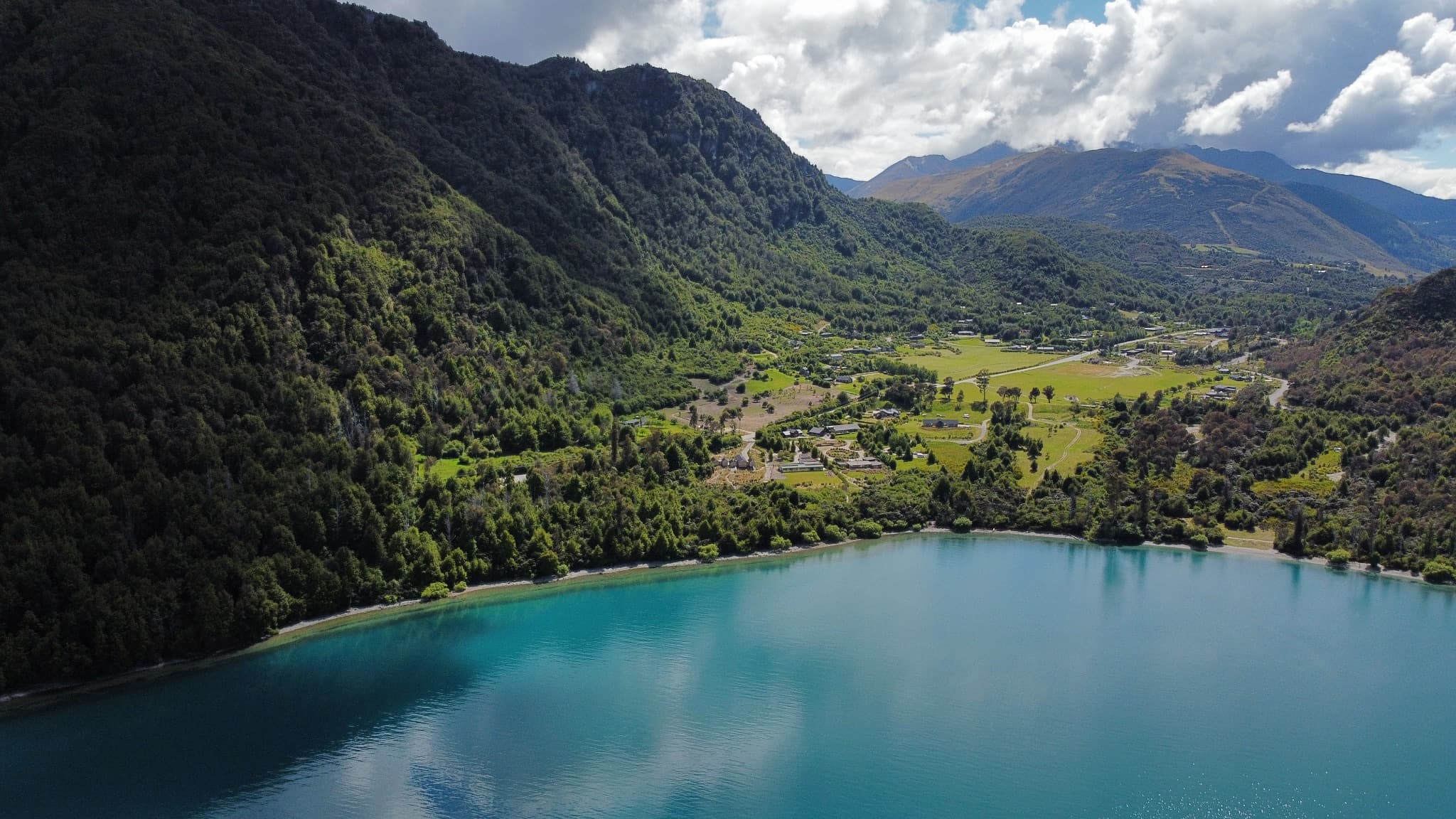
Slope of native bush descending toward bright blue water.

Forest and lake ecosystems

The intersection of deep water and regenerating native bush creates a highly diverse environment that requires active protection.

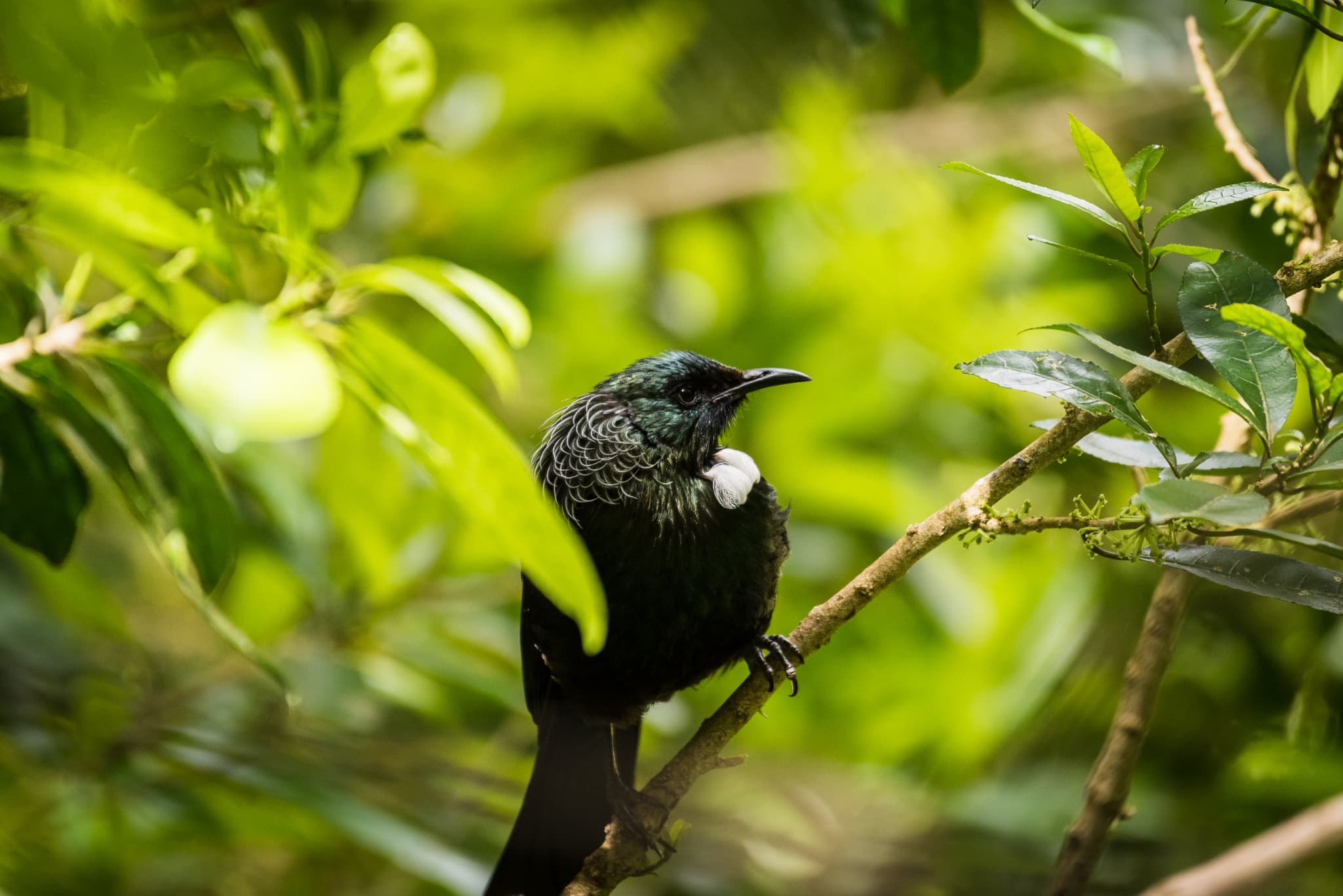
Tui resting on a branch framed by green leaves.

Vulnerable birdlife

Without active trapping, ground-nesting and forest birds face constant threats from stoats, ferrets, and rats.

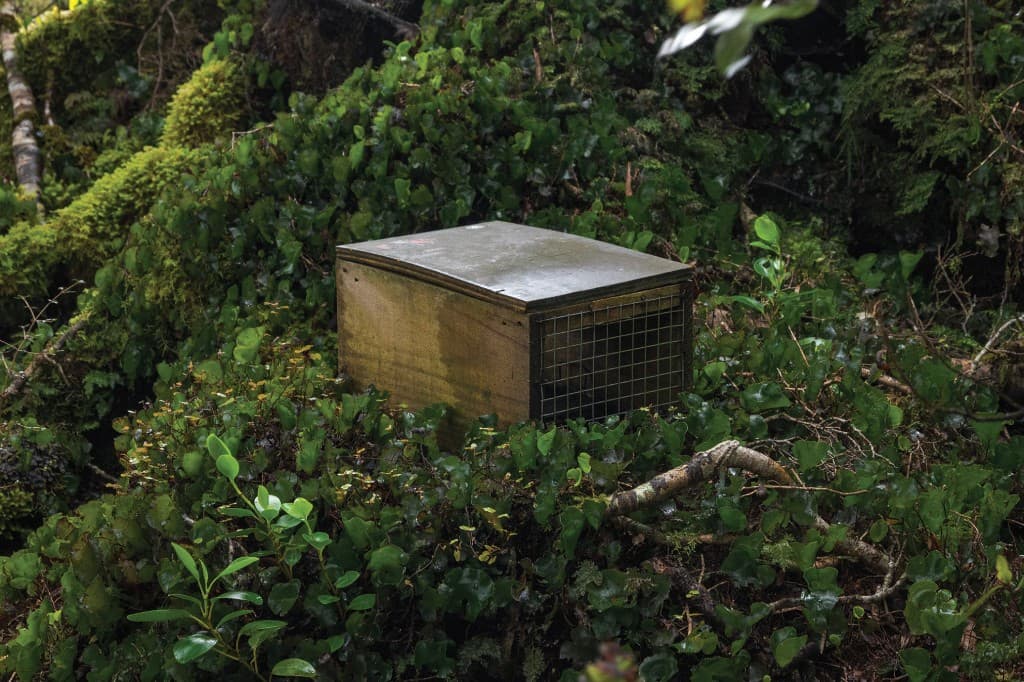
A wooden trap box set amongst dense native ferns and undergrowth.

AT220 & DOC200 Traps

We rely on a combination of self-resetting AT220 traps for possums alongside DOC200 ground traps targeting both mustelids and rats.

01

Backyard Trapping

The easiest way to start. We can provide advice on selecting, placing, and safely operating traps to protect the birds visiting your own garden.

02

Join a Reserve Trap Line

Become part of our coordinated network. We'll assign you to a team, provide training, and get you walking one of our established trap lines.

03

Donate to the cause

Purchasing high-quality, humane traps and bait is expensive. Your financial support allows us to rapidly expand our predator-control network.

Ready for confirmed next steps.

We hold regular trapping workshops and community working bees. Reach out to get notified of our next induction session.